Car Parking Shades Kenya: The Ultimate Guide to Protection & Style
Your vehicle is more than just a mode of transport; it is a significant investment that deserves protection. In the fluctuating climate of East Africa, where blistering equatorial sun can rapidly alternate with torrential downpours, leaving your car exposed is a risk you cannot afford to take. Car parking shades in Kenya have evolved from simple functional necessities into architectural statements that enhance the beauty and value of your property. At Turquoise Engineering, we believe that practical solutions should never compromise on aesthetics.
Imagine arriving home to a sleek, cantilevered structure that not only keeps your vehicle cool but also complements the modern lines of your house. Whether you are a homeowner in Runda looking to protect a luxury SUV, or a business owner in Westlands needing to shield a fleet of executive vehicles, the right shade solution transforms your parking area from a sweltering concrete slab into a comfortable, sheltered zone. This guide explores the engineering, design, and practical benefits of premium car parking shades, establishing why Turquoise Engineering is your trusted partner for outdoor transformations.
Elevating Curb Appeal with Modern Car Shade Designs
Gone are the days when a car shade was simply a few metal poles and a sagging net. Today, outdoor engineering focuses on “curb appeal”—the visual attractiveness of a property as seen from the street. A well-designed carport acts as a visual extension of your home’s architecture.
The Architectural Statement of Cantilever Designs
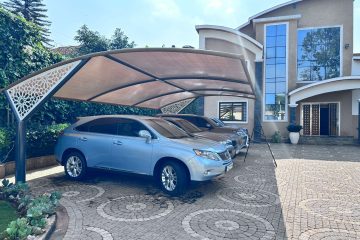
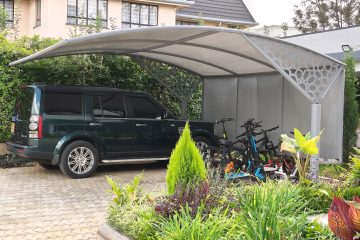
The most sought-after design in modern Kenyan homes is the cantilever carport. This engineering marvel is supported by beams on only one side, leaving the other side completely open. The result is a structure that appears to float effortlessly above your vehicle.
-
Visual Lightness: Without a forest of legs, the space feels larger and less cluttered.
-
Seamless Integration: We can powder-coat the steel structure to match your home’s window frames or roof color, ensuring the carport feels like an intentional part of the design rather than an add-on.
Customization for Every Aesthetic
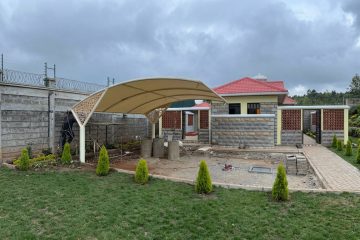
At Turquoise Engineering, we understand that every property is unique. For a rustic home in Nanyuki, a design incorporating timber-look steel elements might be appropriate. For a contemporary villa in Karen, a sharp, angular design with a high-tension PVC membrane offers a futuristic appeal. We invite you to explore our portfolio to see how diverse materials and geometries can be adapted to suit specific architectural styles.
Protection Beyond the Sun: Why You Need Waterproof Car Shades
While “shade” implies protection from the sun, the Kenyan climate demands versatility. The damage caused by UV rays is slow and cumulative, but the damage from rain and hail can be immediate.
The Hidden Costs of Sun Damage
The equatorial sun is harsh. Prolonged exposure causes:
-
Paint Oxidation: The clear coat on your car eventually degrades, leading to that chalky, faded look that significantly lowers resale value.
-
Interior Deterioration: Dashboards crack, leather seats dry out, and upholstery fades under intense heat.
-
Chemical Reactions: Heat accelerates the breakdown of bird droppings and tree sap, allowing them to etch permanently into your paintwork.
The Waterproof Advantage
While standard shade nets are excellent for cooling, many of our clients opt for waterproof car shades. Using high-grade PVC (Polyvinyl Chloride) or Polycarbonate sheeting, these structures offer complete immunity from the elements.
-
Rain Protection: Keep your vehicle clean and dry. You can unload groceries or get the kids into the car during a heavy downpour without getting soaked.
-
Hail Defense: In certain parts of Kenya, hailstorms can cause significant denting. A robust waterproof membrane acts as a shield, bouncing hail off without damage.
To understand the full scope of protective structures we build, consider looking at our steel engineering and fabrication services, where we detail the structural integrity required to support heavy waterproof loads.
Shade Net vs. Polycarbonate vs. PVC: Choosing the Right Material
Selecting the right material is the most critical decision in your project. It dictates the cost, the lifespan, and the functionality of your car shade.
1. High-Density Polyethylene (HDPE) Shade Net
This is the most common material seen in Kenya. It is a knitted fabric designed to breathe.
-
Pros: It allows hot air to rise and escape through the fabric, keeping the environment underneath significantly cooler (up to 10-15 degrees cooler). It is cost-effective and comes in various colors.
-
Cons: It is porous, meaning rain will pass through as a fine mist. It is not suitable if your primary goal is keeping the car dry.
2. Waterproof PVC Fabric
This is a heavy-duty, solid textile used for high-end tensile structures.
-
Pros: 100% waterproof and UV resistant. It has a smooth, premium finish that looks very sophisticated. It is easier to clean than net as dirt sits on the surface.
-
Cons: Because it traps heat (hot air cannot rise through it), the structure must be designed with higher clearance or vents to allow airflow.
3. Polycarbonate Sheets
For those who want a glass-like aesthetic without the fragility, polycarbonate is the answer.
-
Pros: It allows light to filter through while blocking UV rays, so the carport doesn’t feel dark. It is incredibly strong and impact-resistant.
-
Cons: It requires a more rigid steel framework compared to tensioned fabrics.
For a broader comparison of shade materials, you might find our article on shade sails and pergolas helpful, as many of the same material principles apply.
The Engineering Behind Cantilever Carports
Achieving the “floating” look of a cantilever carport requires serious engineering. Since the weight of the roof is held by supports on only one side, the physics of leverage comes into play.
Foundation is Key
The secret to a stable cantilever is underground. We excavate deep footings—often 1 meter cubed or more—reinforced with a steel cage and high-strength concrete. This acts as a counterweight to the roof. If the foundation is weak, the entire structure can lean or collapse over time.
Steel Specifications
We use heavy-gauge hollow sections or I-beams for the columns and arms. Standard, thin-walled pipes used by roadside welders will buckle under the tension. At Turquoise Engineering, we calculate the wind load (the force of wind trying to lift the roof like a kite) to ensure your carport can withstand Nairobi’s storm seasons.
The “No Pole” Benefit
The primary functional benefit of the cantilever is safety and ease.
-
Zero Obstruction: There are no front poles to hit when reversing or opening doors.
-
Maximized Space: In tight driveways or commercial lots, eliminating the front poles can effectively increase usable parking space by 20%.
Understanding Car Parking Shades Prices in Kenya (2025 Guide)
Price is often the first question we receive. While every project is custom-quoted based on site conditions, understanding the variables will help you budget.
Factors Influencing Cost
-
Number of Vehicles: A single unit (covering 1 car) has a higher cost per square meter than a double or triple unit because the mobilization and foundation costs are shared.
-
Design Complexity: A standard curved (arch) design is more affordable than a cantilever design. The cantilever requires heavier steel and larger foundations, typically increasing the cost by 30-40%.
-
Material Choice:
-
Standard Shade Net: Most affordable.
-
Waterproof Shade Net: Mid-range.
-
PVC/Polycarbonate: Premium pricing due to material cost and installation complexity.
-
Estimated Price Ranges
-
Standard Single Car Shade (Net): Ksh 75,000 – Ksh 95,000
-
Standard Double Car Shade (Net): Ksh 130,000 – Ksh 160,000
-
Cantilever Single (Premium): Ksh 110,000 – Ksh 150,000
-
Cantilever Double (Premium): Ksh 180,000 – Ksh 250,000
Note: These are estimates. Site location, ground conditions (rock vs. soil), and steel prices fluctuate. Contact us for an accurate quote.
For commercial clients looking to budget for larger installations, reviewing our work on commercial landscaping and paving can provide context on how we integrate large-scale parking solutions with ground works.
Commercial Parking Solutions for Nairobi Businesses
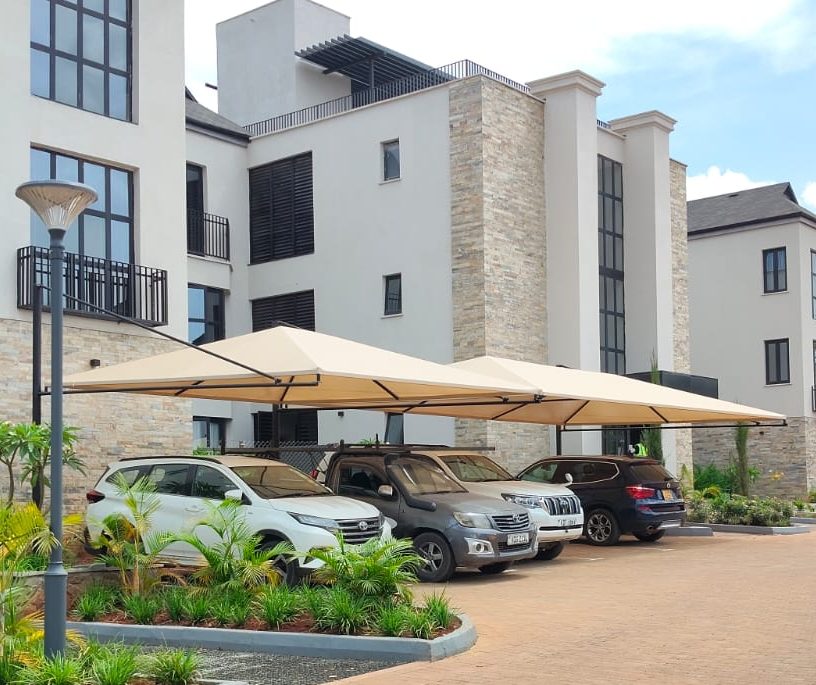
For shopping malls, office parks, and hospitals, parking shades are not just about protection—they are about customer experience and revenue.
The Commercial Value Proposition
A client is more likely to visit a mall where they know their car won’t turn into an oven while they shop. Corporate tenants value covered parking as a perk for employees.
-
Zoning and Flow: We can use different colored fabrics to designate zones (e.g., “Visitor Parking” in Blue, “Staff Parking” in Green).
-
Solar Integration: Forward-thinking businesses are now asking us to design carports that support solar panels, turning the parking lot into a power generator.
Security Integration
In commercial settings, the carport often interacts with other security features. We frequently coordinate our installations with clear view privacy fences and automated gates to create a cohesive, secure entry and parking environment.
The Process of Installing a Carport at Your Property
At Turquoise Engineering, we pride ourselves on a transparent, professional workflow that minimizes disruption to your home or business.
Step 1: Site Consultation
We visit your property to measure the area and assess the ground. Is it loose soil? Is there underground piping? We check the sun’s path to orient the shade correctly.
Step 2: Design & Fabrication
We draft a design for your approval. Once approved, the steel is cut and welded in our workshop, not on your lawn. This ensures precision welds and keeps your property clean. The steel is then primed and painted or galvanized for rust protection.
Step 3: Installation
-
Excavation: We dig the holes for the main columns.
-
Setting: The columns are set in concrete and left to cure (harden) for several days. This waiting period is crucial for strength.
-
Assembly: We return to bolt on the roof arms and hoops.
-
Covering: The fabric is tensioned over the frame.
-
Finishing: We touch up any paint and clean the site.
If you are renovating your entire driveway, we can also coordinate the installation of cabro paving to ensure the paving is done neatly around the new carport poles.
Maintenance: Keeping Your Shade Looking New
A car shade is a low-maintenance structure, but “low” does not mean “no” maintenance.
-
Tensioning: Over the first few months, fabric can stretch slightly. We recommend a check-up after 6 months to re-tension the turnbuckles.
-
Cleaning: Dust and bird droppings can degrade the fabric’s UV coating. A gentle wash with a hosepipe (low pressure) and mild soapy water every 3 months keeps it looking vibrant.
-
Steel Care: If you scratch the paintwork, touch it up immediately to prevent rust spots.
Conclusion: Invest in Quality
A car parking shade is a permanent addition to your property. While it might be tempting to choose the cheapest roadside option, the risks of poor engineering—sagging nets, rusting poles, or collapse during high winds—are real. At Turquoise Engineering, we combine structural integrity with design elegance to give you a product that lasts for decades.
Whether you need a single stylish carport for your home or a massive fleet covering for your business, we are ready to assist.
Transform Your Outdoor Space Today
Imagine a more beautiful, functional, and secure outdoor area for your home or business. At Turquoise Engineering, we bring your vision to life with expert design, fabrication, and installation. Contact our team for a consultation and let’s create something extraordinary together.
CUSTOM DESIGN & INSTALLATION ACROSS EAST AFRICA ✔ Premium, Durable Materials ✔ Expert Engineering & Fabrication ✔ Free Site Visit & Consultation ✔ Serving Kenya (Nairobi, Nakuru, Kisumu), Tanzania, Uganda & beyond.
📞 Request Your Free Consultation:
Turquoise Engineering
📧 Email: info@turquoiseengineering.com
📞 Phone: +254 704 073 543
📍 Visit Us: Nairobi Garage, Watermark Towers, Nairobi, Kenya
🌐 Website: http://turquoiseengineering.com/